Volkswagen Split Window Beetle: the value of an icon that never fades
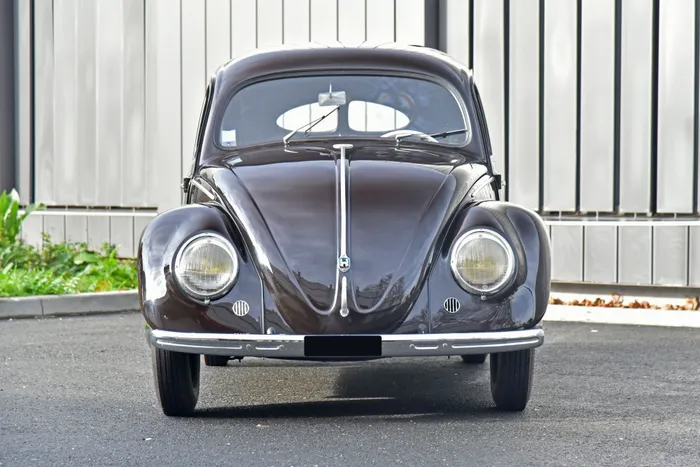
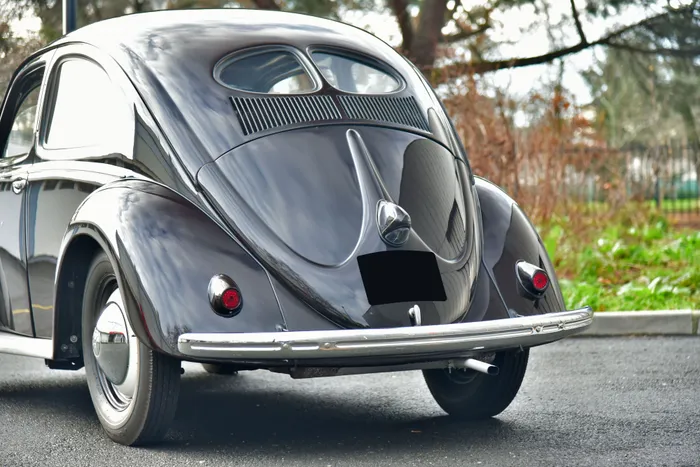
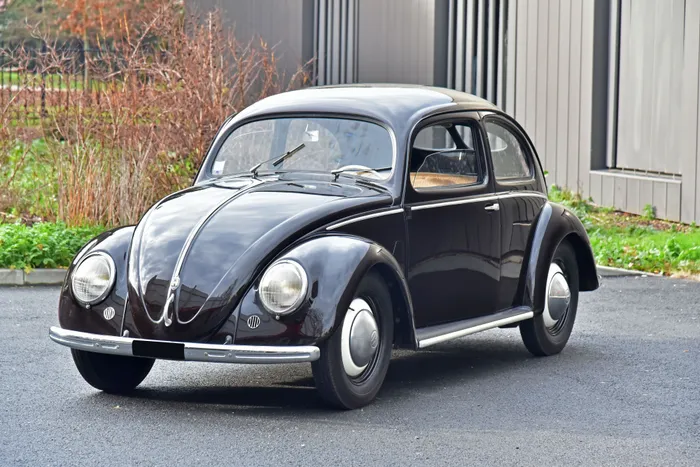
Some cars simply age. And then there is the Split Window Beetle — affectionately known as the "Pretzel" or the "Split Window" — produced between 1945 and 1953, which transcends time. With its rear window divided in two by a central pillar, its bulbous headlights integrated into the fenders, and its organic curves inherited directly from Ferdinand Porsche's pen, this early Käfer is not simply an old car. It is an object of absolute desire, a symbol of post-war reconstruction and hope that continues, eight decades later, to make hearts race and auction rooms tremble.
In the youngtimer and classic car market, the Split Window holds a place all its own. It does not quite follow the same cycles as its contemporaries. It does not truly correct downward during periods of recession. It moves forward, slowly but surely, as if carried by a collective conviction that what is rare and beautiful can only increase in value. For collectors wondering whether to invest or sell, here is a comprehensive and honest analysis of what the Split Window Beetle is truly worth today.
Value evolution over 5 years: a curve with no real surprises
Between 2019 and 2024, the value of the Split Window Beetle followed a trajectory that specialists would describe as resilient and gradually upward. The pandemic, which disrupted so many automotive markets between 2020 and 2021, paradoxically worked in favour of these icons: wealthy private buyers, deprived of other modes of consumption, turned en masse to premium collectible vehicles. The Split Window benefited directly.
- 2019: A Split Window in very good original condition was trading between €35,000 and €55,000. Top-level restored examples reached €70,000 at major auction houses.
- 2020–2021: Despite the health crisis, online auctions maintained stable prices, with slight upward pressure on documented examples. Some Bonhams and RM Sotheby's lots exceeded €80,000.
- 2022: A pivotal year. American and Asian demand — particularly Japanese — pushed the finest examples into uncharted territory. A convertible from the same period came close to €100,000. The consolidated Split Window saloon moved beyond €65,000 in correct condition.
- 2023–2024: Slight normalisation in the mid-range segment, but exceptional pieces continued their ascent. The market clearly bipolarised: ordinary cars stagnated, extraordinary cars soared.
Over five years, average appreciation on quality examples ranged between 25 and 40%, which is remarkable for a market that otherwise offers no guaranteed return.
The factors that truly determine value
Not all Split Windows are equal, far from it. The market has become sufficiently mature for serious buyers — and their experts — to know exactly what they are looking for. Here are the determining criteria:
- Authenticity of the chassis and bodywork: The presence of the original chassis number, unwelded and unaltered, is absolutely fundamental. A sound body with no undocumented structural interventions is worth its weight in gold.
- Intact split rear window: This is the visual and symbolic hallmark of these models. A replacement with a one-piece window — even a period one — significantly devalues the vehicle.
- Original engine: A matching-numbers 1131 cc block, not anonymously rebuilt, is a top commercial argument. Old service records, even partial ones, reinforce credibility.
- Documentation: Original registration documents, period invoices, historical photographs, warranty booklet… Every document is a piece of the puzzle that reassures and adds value.
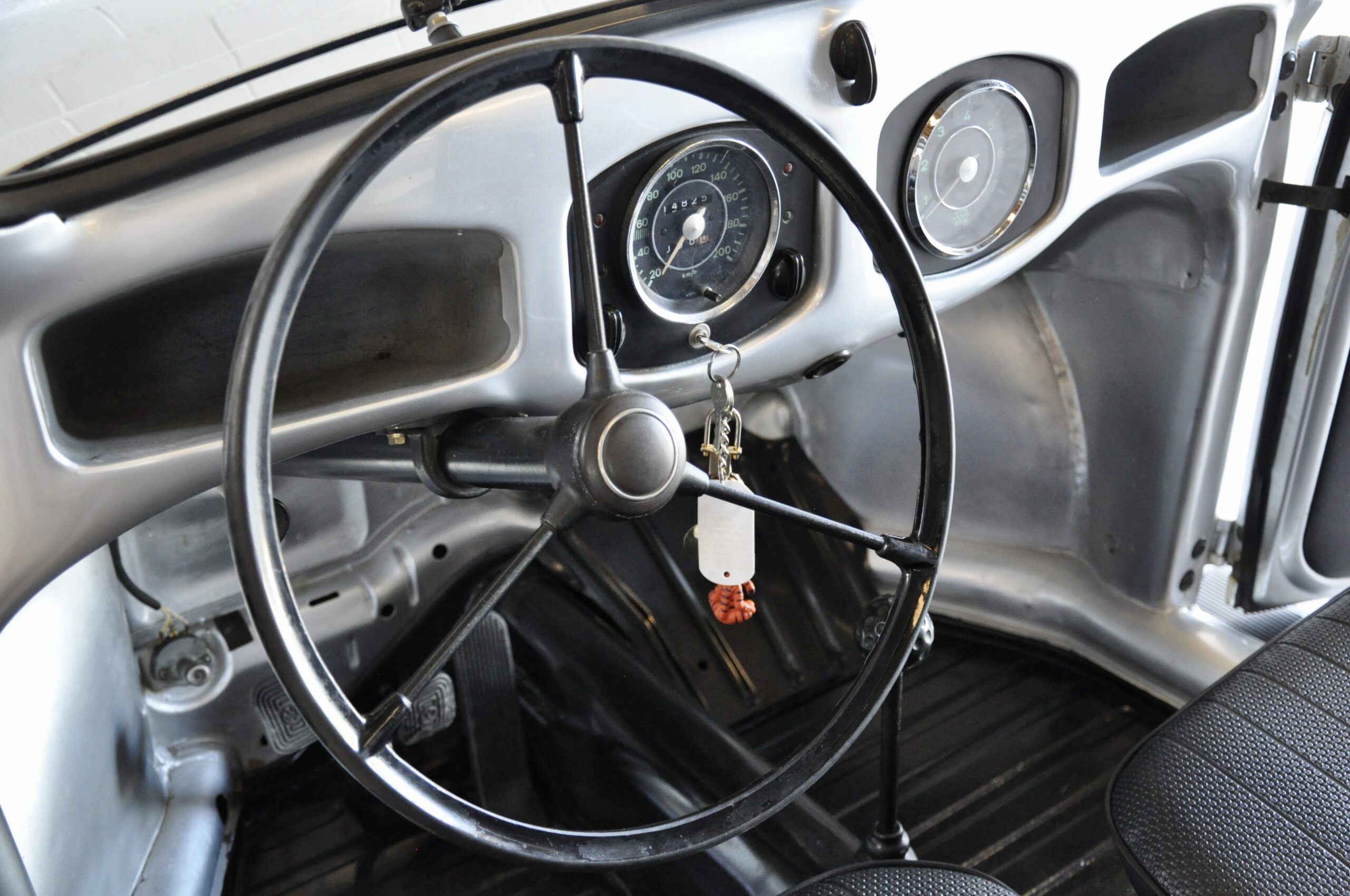
- Original colour and interior trim: Certain shades such as Dove grey, black, or deep burgundy are more sought after. An untouched interior in its original materials — even imperfect — is often preferred to an overly fresh restoration.
- Geographic history: Examples that spent their lives in dry regions (California, Arizona, North Africa) generally display bodywork in better condition than their European counterparts, eaten away by damp winters.
Value ranges by condition
Here are the current ranges observed on the European market and at major international auctions:
- Condition 1 — Concours or benchmark restoration (95 to 100/100): between €75,000 and €120,000, sometimes beyond for an exceptional documented example with full matching numbers.
- Condition 2 — Very good condition, minor consistent signs of use (80 to 94/100): between €45,000 and €75,000. This is the most liquid segment of the market, with numerous buyers and easier resale.
- Condition 3 — Good overall condition, a few visible imperfections (65 to 79/100): between €25,000 and €45,000. Beware of restoration costs that can quickly exceed the anticipated added value.
- Condition 4 — Restoration project, compromised bodywork or failing mechanics: between €8,000 and €22,000. Reserved for well-equipped enthusiasts, specialist workshops, or parts buyers. A financial trap for the uninitiated.
These ranges apply to saloons. Hebmüller or Karmann convertibles from the same period play in a different league entirely, with values that start where these estimates end.
Investment advice: buy the best, not the cheapest
This is the golden rule that every classic car market expert repeats tirelessly, and it applies with particular acuity to the Split Window: it is better to pay €70,000 for a flawless car than €30,000 for one that will require €50,000 in restoration. The market rewards exceptional pieces and penalises compromises.
For an investor with a five-to-ten-year horizon, the Condition 1 or 2 Split Window represents a solid safe-haven asset. It will never be produced in greater numbers. Original parts are disappearing one by one into restorations. The global community of vintage Volkswagen enthusiasts is vast, organised, and loyal. These are the ingredients of structurally sustained demand.
A few concrete recommendations before buying:
- Have an independent appraisal carried out by a period Volkswagen specialist before any transaction above €30,000.
- Verify number matching (chassis, engine, gearbox) through the Volkswagenwerk Museum or accredited clubs.
- Favour sellers who are transparent about the history, even if incomplete: honesty about grey areas is worth more than claims that cannot be verified.
- Anticipate recurring maintenance costs: original parts are increasingly scarce and competent craftsmen specialising in these engines are few and far between.
The Split Window is not a car for impatient speculators. It is a car for those who understand that true value is built over time, at the intersection of passion and reason. Those who bought one twenty years ago without giving a thought to market value are smiling today. The others regret not having done so.
Do you own a Volkswagen Split Window Beetle, or are you looking for one? Post your listing for free on ivcyoungtimers.com and join a community of enthusiasts who share your standards. Because the finest encounters between a car and its next owner deserve the best possible showcase.